...
loaderimg
What
image
  • Driving & Transportation
  • Employment & Career Services
  • Financial & Banking Services
  • Food, Grocery & Retail
  • Immigration & Legal Services
Where
image
image

Freedom Starts
with the
wheels

Your
Canadian
Road
Awaits

🚗 Driving & Transportation in Canada

Getting your driver’s licence in Canada is more than just passing a test — it’s a step toward independence, opportunity, and freedom. Whether you’re commuting to work, taking your kids to school, or exploring your new city, learning how the Canadian driving system works is one of the most important milestones for every newcomer.

At ImmigrantResource.ca, we simplify the process by bringing you everything you need — from official driving handbooks and practice tests to guides on buying your first car and understanding provincial rules.

🚦 Your Roadmap to Canadian Driving Success

Learning to drive in Canada can feel like a maze of tests, forms, and unfamiliar road signs — but you’re not alone. At ImmigrantResource.ca, we’ve gathered everything you need to learn, practice, and pass your Canadian driving test with confidence. From step-by-step provincial guides to free downloadable booklets, you’ll discover trusted information designed specifically for newcomers. Whether you’re preparing for your G1, G2, or Class 5 licence, our goal is to help you gain independence and move freely across your new home country.

🚗 Practical Tools to Get You on the Road

Here you’ll find more than just study material — you’ll find real-world guidance that makes driving in Canada simpler and safer. Access official road rules, practice test PDFs, winter driving tips, and insurance checklists to make every step of your journey stress-free. Our resources are easy to follow, beginner-friendly, and tailored to help immigrants avoid costly mistakes. Whether you’re exchanging a foreign licence, learning to drive from scratch, or buying your first car, this is your trusted roadmap to freedom on Canadian roads.

🚗 Your Trusted Road Companion in Canada

At ImmigrantResource.ca, our Driving and Transportation resources are meticulously researched, verified, and compiled from trusted government sources to make your journey behind the wheel easier and stress-free. Our expert team—masters in documentation, writing, and publication—crafts and updates each guide with precision, clarity, and real-world relevance. From licensing and road tests to insurance, vehicle ownership, and driving laws, every detail is packaged to help you succeed faster. Whatever you need to drive and thrive in Canada—you’ll find it here, reliable, ready, and made just for you.

FAQ

In Canada, anyone aged 16 or older can drive a car, but meeting the age requirement alone isn’t enough. Drivers must also follow specific legal and safety regulations that vary slightly across provinces and territories. To legally drive a car in Canada, you must:

  • Hold a valid driver’s licence issued by the province or territory where you live. New drivers typically start with a learner’s permit or graduated licence before obtaining a full licence.

  • Carry valid vehicle insurance that meets your province’s minimum coverage requirements. Driving without insurance is illegal and can lead to heavy fines or licence suspension.

  • Have the vehicle ownership (registration) document with you whenever you drive. This proves that the vehicle is legally registered.

  • Keep your driver’s licence, insurance, and vehicle registration in the car at all times while driving.

Additional information:
Visitors and new residents may drive using a foreign or international driver’s licence for a limited period, depending on the province (usually 60–90 days), after which they must apply for a Canadian licence. Each province may also have its own graduated licensing system, which sets additional rules for new drivers such as driving curfews, supervision, or zero alcohol tolerance.

To drive in Canada as a foreigner, you must meet specific legal requirements set by each province or territory. Whether you’re a visitor, international student, work permit holder, or new permanent resident (PR), you’ll need the right documents to stay compliant on the road.

Essential Requirements for Foreign Drivers in Canada

  • Valid driver’s licence from your home country.

  • International Driving Permit (IDP) — strongly recommended or required in most provinces if your license is not in English or French.

  • Proof of car insurance that meets Canadian standards (temporary coverage may be needed for rental or private cars).

  • Vehicle registration or rental agreement proving ownership or permission to drive.

  • Passport or immigration document for identity verification.

🚗 Driving with an International Driver’s Licence in Canada

For a short period, new Canadian permanent residents (PRs), international students, and work permit holders can legally drive using an international driver’s license in their province or territory of residence. However, it’s strongly recommended to also carry an International Driving Permit (IDP), which provides an official French and English translation of your license.
The validity period for driving with a foreign or international license differs by province or territory:

Province/TerritoryValidity Period for International Licence
Alberta90 days
British Columbia90 days
Manitoba3 months
New BrunswickNo specific validity period
Newfoundland and Labrador3 months
Northwest TerritoriesInformation not available (check local authority)
Nova Scotia90 days
NunavutInformation not available (check local authority)
Ontario60 days
Prince Edward Island4 months
Quebec6 months
Saskatchewan90 days
YukonInformation not available (check local authority)

After the above periods expire, newcomers are considered residents of their province or territory and must apply for a Canadian driver’s license.

Note: The International Driving Permit (IDP) allows you to drive in another country without taking additional tests. It acts as a translated version of your license in both English and French, making it easier for authorities to verify your credentials.

Yes. Immigrants and all newcomers to Canada — including permanent residents, international students, and work permit holders — can and should get a Canadian driver’s licence. It is illegal to drive in Canada without a valid provincial/territorial license or an International Driving Permit (IDP) that meets local requirements.


🚘 Understanding Driver’s Licences in Canada

A Canadian driver’s licence is an official government-issued document that allows you to legally operate a motor vehicle (such as a car or van) in the province or territory where it was issued. Every resident — citizens, temporary residents, and new immigrants — must obtain this license once their international or foreign driving permit validity period expires.

Each province and territory manages its own licencing system, including age limits, testing procedures, and recognition of foreign licences.


🛬 Getting a Driver’s License as a Newcomer to Canada

When you first arrive in Canada, you may drive using your international driver’s licence for a limited time (e.g., 60–90 days in most provinces). After that, you’ll need to apply for a Canadian license.

New immigrants can also use the soft landing period (arriving in Canada briefly before moving permanently) to:

  • Obtain their Permanent Resident (PR) card and Social Insurance Number (SIN).

  • Explore their new community and understand driving laws.

  • Begin the process of getting their Canadian driver’s licence, which makes settling permanently much easier later.

During this period, newcomers can continue working in their home country while preparing to move, saving money, and improving their eligibility for employment in Canada — since Canadian employers often prefer candidates with PR status and a valid SIN.


🔁 Can I Exchange My Foreign Driver’s Licence in Canada?

Yes, in many provinces and territories, foreign nationals can exchange their international driver’s license for a local Canadian one — a process known as a driver’s licence exchange.

This exchange allows new immigrants to fast-track their licensing process, and in some cases, skip certain tests (such as written or road exams), depending on their driving experience and country of origin.

💡 Example: Ontario Licence Exchange

In Ontario, newcomers who have:

  • A full valid driver’s licence from their home country, and

  • Over two years of verified driving experience,

…can directly apply for a full G license after:

  1. Completing a licence exchange with proper documentation.

  2. Passing a vision test (no written or road tests required).

This is a major advantage for newcomers, especially since Ontario is the top settlement province for immigrants in Canada.


🌎 Driver’s License Exchange by Province/Territory

Province/TerritoryLicence Exchange Information
AlbertaForeign Licence Exchange
British ColumbiaForeign Licence Exchange
ManitobaForeign Licence Exchange
New BrunswickForeign Licence Exchange
Newfoundland and LabradorForeign Licence Exchange
Northwest TerritoriesInformation not available — check local authority
Nova ScotiaForeign Licence Exchange
NunavutInformation not available — check local authority
OntarioForeign Licence Exchange
Prince Edward IslandForeign Licence Exchange
QuebecForeign Licence Exchange
SaskatchewanForeign Licence Exchange
YukonInformation not available — check local authority

🚫 No, you cannot legally drive a car in Canada without valid car insurance. It is against Canadian law to operate any vehicle—whether you own it or are borrowing it from a friend or family member—without being properly insured. Every driver in Canada must be listed on a valid car insurance policy before getting behind the wheel.

🛡️ Why Car Insurance Is Mandatory in Canada

  • Car insurance protects both drivers and passengers from financial losses due to:
  • Accidents or collisions
  • Injury or death caused by a crash
  • Property damage (to vehicles or public property)

Without insurance, you could face severe penalties, including heavy fines, licence suspension, and even vehicle impoundment.

🚗 Driving a New or Borrowed Car

  • If you’re a new car owner, you must purchase insurance before driving your vehicle off the lot. Most dealerships require proof of insurance before releasing the car to you.
  • If you’re a newcomer to Canada or someone driving a family member’s or friend’s car, you must ensure your name is added to their insurance policy. This ensures you’re covered in case of an accident. Driving a vehicle you’re not insured on—even if it belongs to a relative—is illegal and risky.

💰 How Car Insurance Works in Canada

Insurance coverage requirements and rules vary slightly by province and territory, but all require basic mandatory coverage that includes:

  • Third-party liability insurance – Covers injury or damage to others if you’re at fault.
  • Accident benefits coverage – Helps pay for medical expenses and lost income.
  • Uninsured motorist coverage – Protects you if you’re in an accident caused by an uninsured driver.

Beyond the mandatory coverage, you can add optional protection such as collision, comprehensive, and rental car insurance.

💡 Car Insurance Costs in Canada

  • The cost of car insurance depends on several factors:
  • Your age and driving experience
  • Location (urban areas usually cost more)
  • The type and age of the vehicle
  • Your driving record (accidents, tickets, or claims)
  • The insurance provider and coverage plan you choose

It’s a good idea to compare quotes from multiple insurance companies to find the best plan that fits your needs and budget.

There are no restrictions on buying a car in Canada as a newcomer. Whether you are a permanent resident, international student, or work permit holder, you are fully eligible to buy, finance, or lease a car — as long as you have the financial means to do so.

Buying a car in Canada is a straightforward process, but understanding your financing, leasing, and insurance options can help you make a smarter decision.

Can New Immigrants Buy a Car in Canada?

Yes, newcomers to Canada can buy a car outright or through financing or leasing options. However, most lenders or dealerships will require:

  • A credit check to review your financial history.
  • Proof of income or employment to confirm you can make payments.
  • Identification and valid driver’s licence (Canadian or international).

If you have limited credit history in Canada, you may still qualify for a secured car loan or rent-to-own plan, although interest rates might be higher.


💰 Ways to Buy a Car in Canada

There are three main options for buying a vehicle in Canada:

1. Buy Outright (Cash Purchase)

  • You pay the full price upfront.
  • You immediately own the vehicle and avoid monthly payments or interest.
  • Best for those with savings or planning a long-term stay in Canada.

2. Finance a Car with a Loan

Financing allows you to pay for the car over time while using it immediately.
There are two main ways to arrange a car loan:

A. Through a Car Dealership
Dealerships can help you apply for financing directly on-site. Your loan may be offered through:

  • The car manufacturer (e.g., Toyota Financial, Ford Credit)
  • A bank or credit union partnered with the dealership
  • An independent finance company

B. Through a Financial Institution
You can apply for a loan or line of credit through your personal bank.

  • Advantage: You may get better interest rates if you have good credit or an existing banking relationship.
  • Payments are made monthly until the full loan amount (plus interest) is paid off.

3. Lease a Car

Leasing is similar to renting a car long-term. You make monthly payments to use the car for a set period (usually 3–5 years).
At the end of the lease, you can either:

  • Return the car, or
  • Purchase it at a predetermined price.

Pros of Leasing a Car:

  • Lower monthly payments than a loan.
  • Option to drive a new vehicle every few years.
  • Often covered by manufacturer warranties.

Cons of Leasing a Car:

  • You don’t own the car at the end of the lease.
  • Extra fees for wear and tear or exceeding mileage limits.
  • Breaking a lease early can be expensive.

🔄 Rent-to-Own Car Plans in Canada

Some dealerships offer rent-to-own programs, ideal for newcomers without established credit.

  • You make regular payments directly to the dealer.
  • You can return or buy the car at the end of the term.
  • Be cautious: missed payments can result in repossession with no refund.
  • Total costs are often higher than traditional financing or leasing.

🏬 Where to Buy a Car in Canada

Newcomers can buy cars from dealerships or trusted online platforms.
Popular car brands include Toyota, Hyundai, Honda, Mazda, and Volkswagen.

Top websites for car shopping in Canada:

You can compare prices, financing options, and vehicle history before making a purchase.

Yes, foreigners and newcomers to Canada can rent a car. Renting a car in Canada is straightforward, and there are many reputable car rental companies that cater to international visitors, students, and new immigrants. However, the rental requirements and policies may vary depending on the company and province.


🚗 Requirements for Foreigners to Rent a Car in Canada

To rent a car in Canada as a foreigner, you generally need to:

  • Be at least 21 years old (some companies may require you to be 25+ for certain vehicle types).
  • Have a valid driver’s licence from your home country.
  • Provide an International Driving Permit (IDP) if your licence is not in English or French.
  • Present a valid passport and credit card (for payment and security deposit).
  • Have clean driving experience (some rental companies require at least 1–2 years of licensed driving).

🧾 Additional Car Rental Information for Visitors

  • Young Driver Fee: Drivers under 25 may pay an extra daily fee.
  • Insurance: Basic insurance is usually included, but you can add extra coverage for collision, theft, or liability protection.
  • Mileage Limits: Some rentals offer unlimited mileage, while others have distance restrictions.
  • Cross-Province or Cross-Border Travel: Always check the policy if you plan to drive outside your rental province or into the U.S.

🏢 Popular Car Rental Companies in Canada

Foreigners and newcomers can easily rent a car from these major providers:

  • Enterprise Rent-A-Car

  • Hertz Canada

  • Avis

  • Budget Car Rental

  • National Car Rental

  • Turo Canada (peer-to-peer car sharing option)

You can book online or visit a nearby rental office. Most companies have branches in airports and major cities across Canada.


🧠 Tip for Newcomers and Tourists

Always book your rental car in advance, especially during peak travel seasons. Make sure your insurance and IDP are valid for the entire rental period.

If someone else is driving your car and is involved in an accident in Canada, your auto insurance coverage typically still applies. Most standard insurance policies extend coverage to authorized drivers, even if you were not behind the wheel at the time of the accident.

Regardless of who caused the accident, leaving the scene is considered a serious offence, whether the incident involves another vehicle, a pedestrian, or property. It’s crucial to follow proper procedures to protect yourself legally and ensure a smooth insurance claim process.

Here’s what you should do if your vehicle is involved in a crash:

1. Contact emergency services immediately

  • Call 911 for police and medical assistance if anyone is injured.

  • Stay at the scene until authorities arrive, as leaving could result in legal consequences.

2. Exchange essential information with the other driver(s)
Even if someone else was driving, you’ll need this information for insurance purposes:

  • Full name and address
  • Phone number
  • Driver’s licence number
  • Licence plate details
  • Insurance company and policy number

Exchanging this information ensures your insurance provider can process claims quickly and handle vehicle damages, medical expenses, or liability efficiently.

Download Verified resources

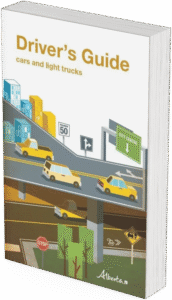
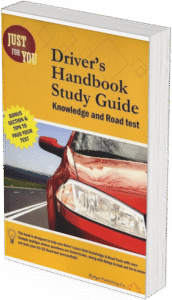
Alberta: Driver’s Guide – Cars and Small Trucks

Looking to get your driver’s license in Alberta? The Alberta Driver’s Guide for Cars and Small Trucks is your complete resource for learning Alberta’s road rules, traffic signs, and safe driving practices. Ideal for newcomers, immigrants, and residents, this guide helps you prepare for the Class 5 and Class 7 driver’s test, understand vehicle operation, and stay safe on Alberta roads. Master essential driving skills, from speed limits and right-of-way to defensive driving techniques, and gain the confidence to navigate city streets and highways with ease.

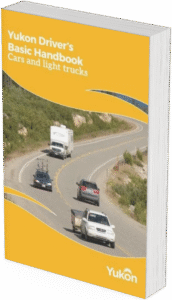
Yukon Driver’s Basic Handbook – Cars and Small Trucks

The Yukon Driver’s Basic Handbook is your official guide to learning how to drive safely and legally in the Yukon Territory. Designed for both newcomers and residents, it covers everything from road signs and driving laws to licensing procedures and vehicle safety tips. Whether you’re preparing for your written test or brushing up on local regulations, this handbook provides the essential knowledge you need to become a confident, responsible driver on Yukon’s unique northern roads.

Ontario Driver’s Handbook – Cars and Small Trucks

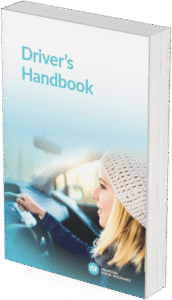
The Ontario Driver’s Handbook is your official resource for understanding how to drive safely and responsibly in Ontario. It explains the rules of the road, traffic signs, and licensing process for all drivers, especially newcomers preparing for their G1 or G2 licence tests. This guide helps you learn everything from road safety practices and defensive driving tips to vehicle operation and provincial regulations. Whether you’re a first-time driver or new to Canada, this handbook is your essential step toward becoming a confident, licensed driver in Ontario.

Manitoba Driver’s Handbook – Cars and Small Trucks

The Manitoba Driver’s Handbook is the official guide for anyone learning to drive or getting familiar with Manitoba’s road rules and licensing system. It provides clear, easy-to-follow information on traffic laws, road signs, safe driving practices, and licensing requirements for all drivers, including newcomers to Canada. Whether you’re studying for your knowledge test, preparing for your road test, or simply refreshing your driving skills, this handbook is your trusted companion to help you drive safely and confidently on Manitoba’s roads.

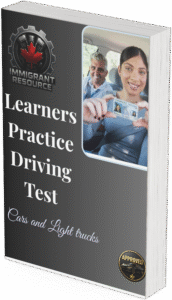
Learner’s Practice Driving Test – Boost Your Success Rate

Prepare for your Canadian learner’s knowledge test with confidence using our Learner’s Practice Driving Test resources. Here, you’ll find sample test questions, study materials, and real test simulations to help you understand road signs, rules, and safe driving practices. Designed for newcomers and first-time drivers, these resources mirror the actual provincial tests and are proven to help users achieve up to a 95% success rate. Study smart, practice often, and get ready to pass your test on the first try!

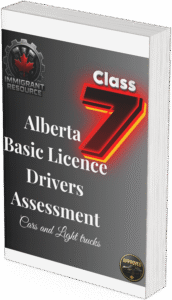
Alberta Class 7 Knowledge Test Assessment

Prepare with confidence using our Alberta Class 7 Knowledge Test Assessment, your complete guide to acing the written learner’s test on the first try. Access sample questions, practice tests, and real exam simulations designed to help you understand Alberta’s road rules, traffic signs, and safe driving practices. With our carefully compiled materials—based on official government resources—you’ll boost your confidence and aim for a 99% success rate in your Class 7 knowledge test. Get started today and take the first step toward earning your Alberta driver’s licence.

Canada Driving Knowledge Test Practice

Prepare for your Canadian driving knowledge test with access to sample questions, study guides, and road sign quizzes that closely reflect real provincial exams — including Ontario, Alberta, British Columbia, and more. These external practice resources are designed to help you study efficiently, understand key rules, and build confidence before your test. Many learners report a 95% success rate after consistent practice. Click below to explore the tools you need to pass your knowledge test and get on the road faster.

❄️ Winter Driving Tips for Canada

Driving in a Canadian winter requires extra care, preparation, and awareness. Snow, ice, and reduced visibility can make even short trips challenging. Learn how to prepare your vehicle, adjust your driving habits, and stay safe on icy roads with practical winter driving tips from trusted sources. Discover advice on winter tires, safe braking distances, handling skids, and emergency preparedness — everything you need to navigate the cold season with confidence and control.

❄️ Essential Winter Driving Tips for Newcomers

Canadian winters can be unpredictable, making safe driving a real challenge. Before hitting the road, learn how to prepare your car for cold conditions, drive safely on snow and ice, and respond calmly in slippery situations. These expert-backed winter driving tips cover everything from installing proper tires and maintaining visibility to handling sudden stops and planning for emergencies. Stay informed, stay prepared, and drive confidently — no matter how harsh the weather gets.

Seraphinite AcceleratorOptimized by Seraphinite Accelerator
Turns on site high speed to be attractive for people and search engines.